Spanning 1,768 square miles across Northern California, Sonoma County is celebrated globally for its sprawling coastlines, old-growth redwoods, and world-renowned wine regions. Yet, the true heart and soul of this region lie within its distinct communities. While the county encompasses dozens of charming unincorporated hamlets—from the coastal cliffs of Bodega Bay to the timbered riverbanks of Guerneville—it is officially anchored by nine incorporated cities.
Each of these nine cities offers its own unique personality, architectural history, and micro-climate. Whether you are looking for Michelin-starred dining, historic Spanish mission squares, vibrant arts corridors, or family-friendly suburban centers, this comprehensive local guide breaks down what makes each incorporated municipality in Sonoma County unique.
1. Santa Rosa: The Urban Hub & County Seat
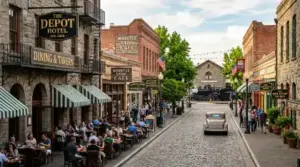
As the largest city in Sonoma County (and the fifth-largest in the San Francisco Bay Area), Santa Rosa serves as the central economic, cultural, and transit hub for the region. Located along the Highway 101 corridor, it perfectly balances urban amenities with immediate access to natural preserves.
- Local Culture: Home to historic Railroad Square, a beautifully preserved district featuring 19th-century stone buildings, antique shops, and cozy cafes.
- Noted Heritage: Celebrated as the home of legendary horticulturist Luther Burbank and Peanuts comic creator Charles M. Schulz (honored at the Charles M. Schulz Museum).
- Craft Beverage Scene: Known internationally as a epicenter for craft beer, anchored by breweries like Russian River Brewing Company.
2. Petaluma: Riverfront Commerce & Victorian Charm
Situated at the southern gateway of the county along the navigable Petaluma River, Petaluma boasts one of California’s best-preserved historic downtown districts. Having survived the 1906 earthquake largely unscathed, its riverfront core is lined with iron-front buildings and elegant Victorian homes.
Historically known as the “Egg Capital of the World” during the early 20th-century poultry boom, Petaluma has evolved into a thriving agricultural and culinary destination. Its historic architecture has made it a favorite filming location for classic American cinema, including American Graffiti and Peggy Sue Got Married.
3. Sonoma: Birthplace of California Viticulture & Heritage
Nestled in the heart of the Sonoma Valley, the city of Sonoma is built around the largest historic town square in California: the eight-acre Sonoma Plaza. Designed in the 1830s by General Mariano Guadalupe Vallejo, the plaza remains the civic and cultural anchor of the community.
Historical Significance
Sonoma is home to Mission San Francisco Solano (built in 1823 as the final Spanish mission in Alta California) and served as the site of the short-lived 1846 Bear Flag Revolt, which led to California’s statehood.
Today, the city offers an unmatched blend of history, boutique shopping, wine tasting rooms, and acclaimed farm-to-table dining along its historic arcades.
4. Healdsburg: The High-End Culinary & Wine Capital
Located in Northern Sonoma County where three major wine regions meet—Alexander Valley, Dry Creek Valley, and the Russian River Valley—Healdsburg has transformed into a globally acclaimed destination for luxury hospitality, world-class dining, and fine art.
Centering around a picturesque red-redwood tree-lined plaza, Healdsburg offers dozens of tasting rooms within walking distance, luxury boutique hotels, and Michelin-starred culinary institutions. Despite its upscale reputation, Healdsburg maintains a deep connection to its agricultural roots, surrounded by family-owned vineyards and historic orchards.
5. Sebastopol: Bohemian Spirit & Artisan Craft
Positioned in West Sonoma County, Sebastopol is an eco-conscious, arts-driven community renowned for its independent spirit and agricultural heritage. Long famous as Northern California’s primary producer of Gravenstein apples, the city has successfully married its farming past with modern artisan innovation.
- The Barlow District: A 12-acre outdoor industrial park dedicated to local makers, food producers, distillers, winemakers, and artists.
- Folk Art & Culture: Famous for Florence Avenue’s whimsical trash-art sculptures created by local artist Patrick Amiot.
- Cool-Climate Agriculture: Surrounded by the Goldridge sandy loam soils that feed the cool-climate vineyards of the Russian River Valley and Sonoma Coast.
6. Windsor: Modern Planning & Community Connection
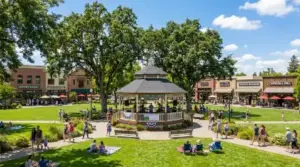
Just north of Santa Rosa, Windsor represents a master-planned approach to modern community living. Incorporated in 1992, the town intentionally designed its urban layout around a vibrant four-acre Town Green.
The Windsor Town Green serves as a focal point for civic life, hosting summer outdoor movie nights, farmers markets, live concerts, and seasonal festivals. Flanked by walkable mixed-use developments, shops, and family eateries, Windsor offers a suburban atmosphere in the center of wine country.
7. Rohnert Park: Education & Entertainment
Designed in the 1950s using a “neighborhood unit” concept where tree-lined residential sectors surround localized schools and parks, Rohnert Park is one of the county’s primary educational and entertainment hubs.
The city is home to Sonoma State University (SSU) and the world-class Green Music Center, a premier concert facility that attracts international classical, jazz, and world music performers. Rohnert Park also houses extensive sports complexes, golf courses, and commercial centers.
8. Cotati: The Historic Hexagon
Directly bordering Rohnert Park is Cotati, one of the smallest incorporated cities in the county by population, but certainly one of the most distinctive. Cotati is famous for its historic hexagonal plaza, laid out in the 1890s by Dr. Thomas Page—one of only two hexagonal town plazas in the entire United States.
Cotati retains a charming, small-town college vibe, hosting the annual Cotati Accordion Festival and supporting a walkable downtown corridor packed with independent cafes, pubs, and live music venues.
9. Cloverdale: The Northern Gateway
Positioned at the northernmost border of Sonoma County along the Russian River, Cloverdale serves as the gateway to Mendocino County and the Alexander Valley wine country. Characterized by warm summer temperatures and a laid-back, rural feel, Cloverdale has preserved its authentic small-town atmosphere.
With a revitalized downtown featuring public art installations, historic architecture, and immediate access to outdoor activities along the river, Cloverdale represents the unhurried, classic side of Northern California living.
Sonoma County Incorporated Cities At-a-Glance
| City | Primary Vibe | Key Landmark / Highlight |
|---|---|---|
| Santa Rosa | Urban & Commercial Center | Railroad Square & Charles M. Schulz Museum |
| Petaluma | Historic & Riverfront Commerce | Historic Iron-Front Victorian Downtown |
| Sonoma | Colonial Heritage & Wine | Sonoma Plaza & Mission San Francisco Solano |
| Healdsburg | Luxury Dining & Viticulture | Healdsburg Plaza & Surrounding AVAs |
| Sebastopol | Bohemian & Artisan Craft | The Barlow Outdoor Market District |
| Windsor | Family-Friendly Suburban | Windsor Town Green Park |
| Rohnert Park | Educational & Arts Hub | Sonoma State University & Green Music Center |
| Cotati | Quirky & Historic | Hexagonal Town Plaza |
| Cloverdale | Rural & River Recreation | Northern Alexander Valley & River Trails |
Finding Your Base in Sonoma County
From the historic Spanish roots of Sonoma Plaza to the modern maker culture of Sebastopol, Sonoma County’s nine incorporated cities demonstrate that this region is defined by far more than just its agricultural fields. Each municipality offers a distinct lens through which to experience Northern California’s natural beauty, history, and community warmth.