
1. Understanding the Engine of Terroir: Pacific Fog and Ocean Gaps
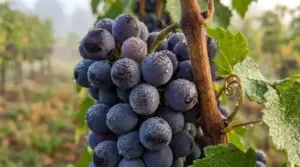
The defining climatic feature across Sonoma County viticulture is the Pacific Ocean. As the interior valleys heat up during summer afternoons, rising warm air draws cold marine air and dense fog inland through natural mountain gaps—most notably the Petaluma Gap and the lower Russian River channel.
This daily atmospheric shift creates dramatic temperature drops of 30°F to 40°F (16°C to 22°C) between day and night. This high diurnal variation preserves natural acidity in grapes while extending the growing season, allowing complex phenolic ripeness to develop without losing structural balance or fresh fruit character.
To examine detailed geological maps, historical weather data, and soil classifications across regional appellations, explore technical archives maintained by the Sonoma County Winegrowers organization.
2. Cool-Climate Coastal AVAs: The Realm of Pinot Noir and Chardonnay
Regions situated directly along the coastline or within direct fog corridors specialize in cool-climate grape varieties—primarily Pinot Noir, Chardonnay, and cool-climate Syrah.
Sonoma Coast & West Sonoma Coast
Spanning steep ridge tops along the Pacific edge, the West Sonoma Coast AVA features vineyards planted high above the marine fog layer. Here, marine winds and harsh, well-draining sandstone soils yield low-yielding vines that produce taut, acid-driven Pinot Noirs with distinct maritime minerality, red fruit purity, and savory complexity.
Russian River Valley & Green Valley
Moving slightly inland along the path of historic river beds, the iconic Russian River Valley AVA receives heavy morning fog that dissipates by midday. The region’s goldridge loam soils—a porous, sandy yellow soil derived from ancient seabed deposits—provide optimal drainage for Pinot Noir and Chardonnay. Russian River Valley Pinot Noirs are celebrated for rich velvet textures, dark cherry profiles, and subtle spice notes, while its Chardonnays deliver lush tropical fruit balanced by crisp malic acidity.
For official appellation boundaries and climate specifications, review resources provided by the TTB American Viticultural Areas (AVAs) Directory.
3. Warm Inland AVAs: Cabernet Sauvignon and Heritage Zinfandel
As you travel north and east toward the interior, coastal mountains block direct marine influence, giving way to warmer summer days that allow late-ripening Bordeaux and Rhône varieties to thrive.
Alexander Valley
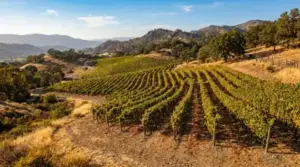
Running along the Russian River in northern Sonoma County, Alexander Valley AVA experiences warm day temperatures moderated by faint evening cooling. Its gravelly benchlands and volcanic hillside soils create an ideal environment for Cabernet Sauvignon. Alexander Valley Cabernets are renowned for plush, silken tannins, dark plum and cassis fruit flavors, and approachable structural elegance.
Dry Creek Valley
A compact valley roughly 16 miles long and two miles wide, the Dry Creek Valley AVA features gravelly, iron-rich red clay soils. Famed for its centenarian old-vine plantings, Dry Creek Valley is world-renowned for producing bold, spicy Zinfandel characterized by blackberry fruit, cracked black pepper, and firm structural tannins.
Knights Valley & Moon Mountain District
For structured, age-worthy mountain Cabernet Sauvignon, the high-elevation slopes of Knights Valley (in the far northeast) and the volcanic benchlands of Moon Mountain District (along the Mayacamas ridge above Sonoma Valley) produce deeply concentrated wines driven by firm mountain tannins, graphite minerality, and dark forest fruit.
4. Summary Guide to Sonoma’s Major Wine Styles
Understanding where varieties flourish across Sonoma County helps travelers and collectors select wines tailored to their palate:
- Pinot Noir: West Sonoma Coast, Sonoma Coast, Russian River Valley, Green Valley, Los Carneros.
- Chardonnay: Russian River Valley, Chalk Hill, Sonoma Coast, Los Carneros.
- Cabernet Sauvignon: Alexander Valley, Knights Valley, Moon Mountain District, Fountaingrove District, Sonoma Mountain.
- Zinfandel: Dry Creek Valley, Rockpile, Russian River Valley (Old Vine benches).
- Sauvignon Blanc: Dry Creek Valley, Knights Valley, Chalk Hill.
Conclusion
Sonoma County’s true brilliance lies in its viticultural diversity. By following the movement of coastal marine fog and analyzing soil compositions from the Pacific shoreline to inland volcanic mountain crests, wine enthusiasts can appreciate why Sonoma County remains one of the world’s most dynamic and rewarding winegrowing landscapes.